
 Readership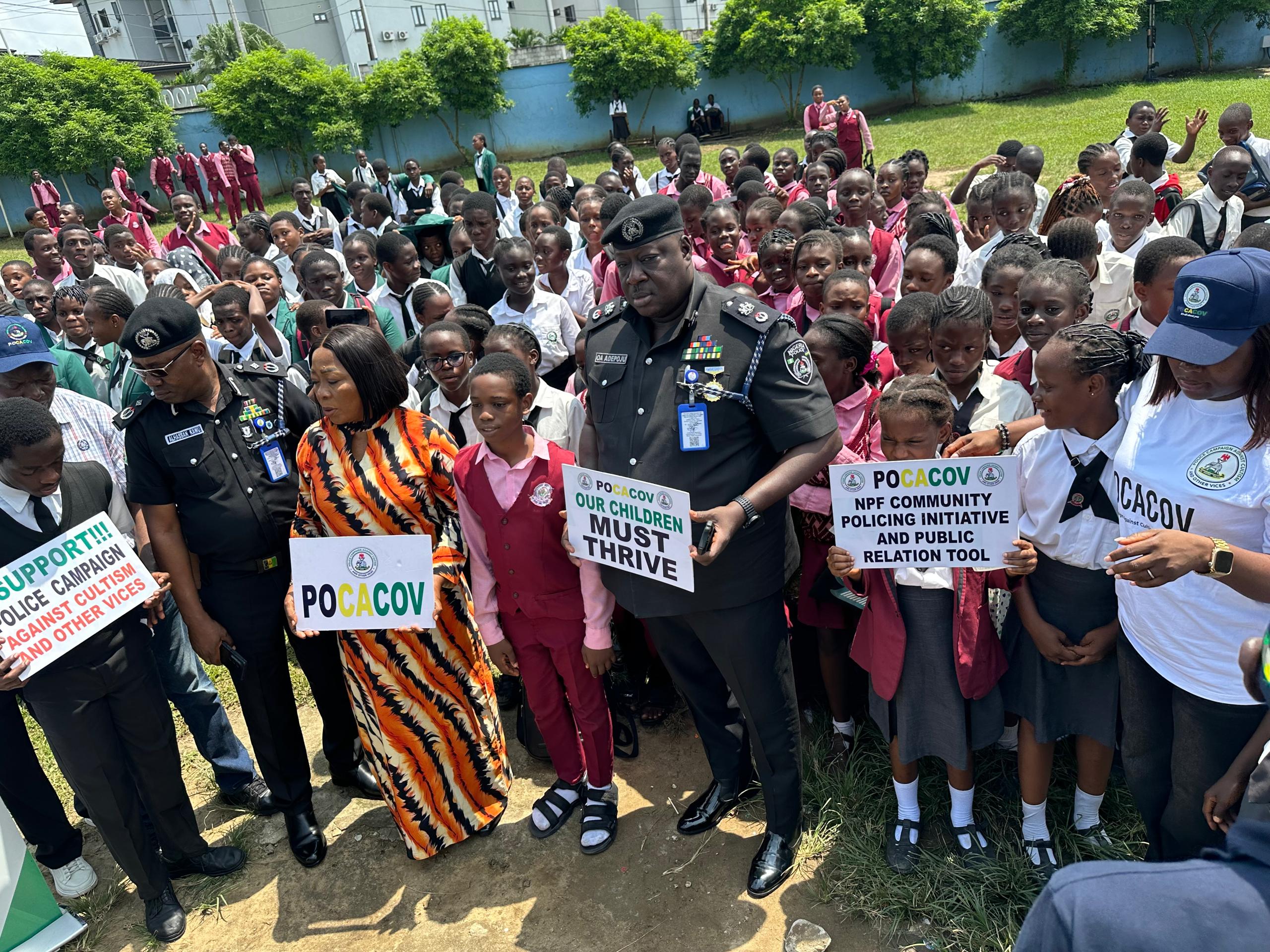
For many Nigerians, the phrase “Police are your friends” often evokes mixed reactions.
Some hear it with skepticism, shaped by unpleasant experiences or stories they have heard over the years. Others, however, who have encountered compassionate, professional, and service-oriented police officers know that the slogan is more than just words—it reflects what policing is meant to be.
The truth is that policing is changing.
Modern policing is no longer defined solely by arrests, patrols, and responding after crimes have occurred. Across the world, law enforcement agencies are increasingly embracing prevention, partnership, and public engagement as the most effective ways to build safer communities.
That is the philosophy being championed by the Inspector-General of Police, Olatunji Rilwan Disu.
Long before becoming the nation’s chief law enforcement officer, IGP Disu consistently advocated community-based policing and crime prevention. During his time as Commander of the Rapid Response Squad (RRS) in Lagos, he became known for taking policing beyond the streets and into classrooms, engaging pupils and students on issues such as drug abuse, bullying, cultism, cybercrime, peer pressure, and responsible citizenship.
The message was simple: prevent one young person from embracing crime today, and you may save countless victims tomorrow.
That same philosophy is now finding renewed expression through the Police Campaign Against Cultism and Other Vices (POCACOV), an initiative of the Nigeria Police Force aimed at addressing the root causes of crime through education, mentorship, advocacy, and community engagement, rather than enforcement alone.
Leading this effort is the National Coordinator of POCACOV, SP Onne Ikwen, whose passion for youth development and community engagement has brought fresh energy to the initiative.
Rather than waiting for crime to occur, she and her team have continued to take the message directly to the people, visiting schools, churches, mosques, traditional institutions, markets, youth groups, and local communities to educate young Nigerians about the dangers of cultism, substance abuse, bullying, cybercrime, and other social vices.
The recent relaunch of POCACOV activities in Rivers State reflects this proactive approach.
Working closely with the Commissioner of Police, CP Olugbenga Adepoju, traditional rulers, local government leaders, community stakeholders, religious bodies, youth organisations, and civil society groups, the initiative is building partnerships that place communities at the centre of crime prevention.
The idea is straightforward but powerful.
Every young person who chooses education instead of cultism…
Every teenager who rejects drug abuse…
Every child who walks away from violence…
Every family that receives guidance before a crisis develops…
…is a victory not just for the police, but for Nigeria.
This is why many security experts believe that prevention remains one of the most effective forms of policing.
The nation’s correctional centres are already under immense pressure. Preventing young people from entering the criminal justice system in the first place is far more beneficial than arresting them after lives have been damaged.
POCACOV is helping to achieve exactly that.
Across states such as Lagos, Ogun, Niger, and Rivers, the initiative has continued to engage schools, communities, traditional institutions, faith-based organisations, and young people, promoting peace, responsible citizenship, and alternatives to crime.
These interventions demonstrate that policing is not only about catching offenders. It is also about preventing crime, protecting vulnerable people, strengthening families, and creating opportunities for young Nigerians to make positive choices.
This is where the true meaning of “Police are your friends” becomes evident.
A friend does not only come when there is trouble.
A friend also guides.
A friend advises.
A friend protects.
A friend warns against dangerous paths.
A friend stands beside you before life goes wrong.
That is exactly what initiatives like POCACOV seek to achieve.
The Nigeria Police Force cannot build safer communities alone.
Parents have a role.
Teachers have a role.
Traditional rulers have a role.
Religious leaders have a role.
The media has a role.
Every Nigerian has a role.
As a child grows up within a community, members of that community often correct and rebuke the child for wrongdoing even before the parents have the opportunity to do so. The parents, in turn, appreciate such interventions because they reflect a shared sense of responsibility for raising responsible citizens.
Crime prevention begins long before an arrest is made. It begins with values, education, mentorship, opportunity, and collective responsibility.
As the Nigeria Police Force continues to strengthen community policing under the leadership of IGP Olatunji Disu, initiatives such as POCACOV remind us that the future of policing lies not only in responding to crime but also in preventing it.
Perhaps it is time we looked beyond the uniform and saw the larger mission.
Because when the police help keep a child away from drugs, steer a teenager away from cultism, reconcile a troubled community, or inspire young people to choose a better path, they are doing more than enforcing the law.
They are building hope.
And a police service that helps people before they become victims or offenders is indeed proving that the police can be a friend to every law-abiding citizen.
Akindele Adegebo (ANIPR, ACIPM) writes from Port Harcourt, Nigeria.