Defence, Infrastructure Lead As Tinubu Presents ₦58.18trn 2026 Budget
About The Author


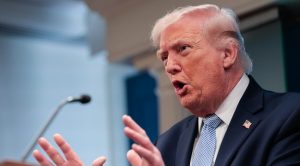
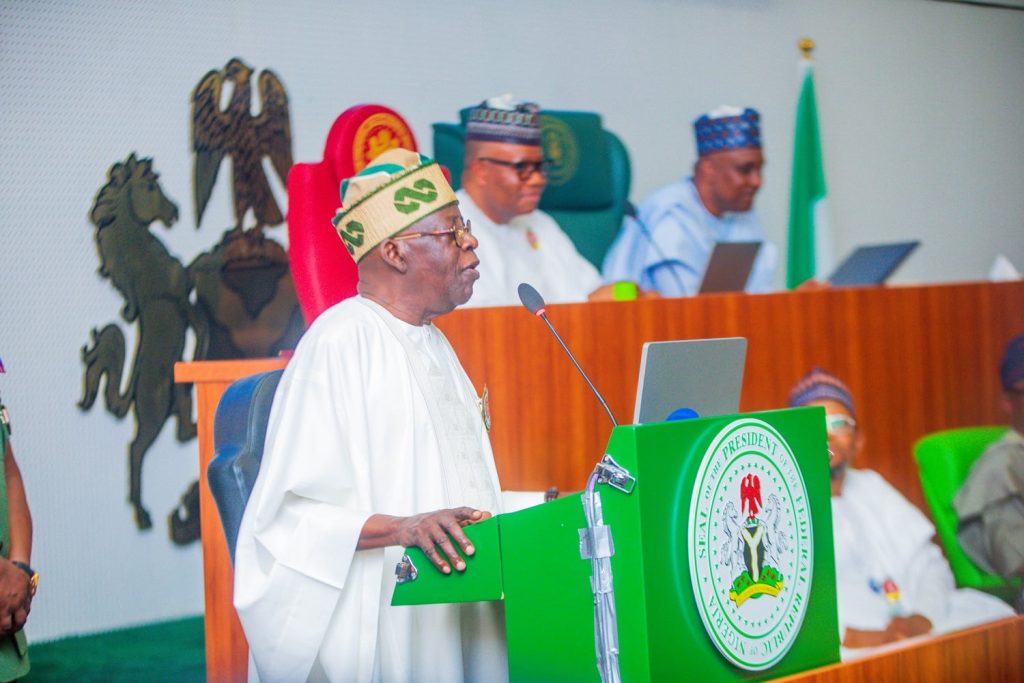
President Bola Ahmed Tinubu on Friday presented a ₦58.18 trillion budget proposal for the 2026 fiscal year to a joint session of the National Assembly, with defence and security emerging as the highest-funded sector.
The president pegged capital expenditure at ₦26.08 trillion, while recurrent (non-debt) expenditure stood at ₦15.25 trillion. Debt servicing was estimated at ₦15.52 trillion.
According to Tinubu, the budget is based on a crude oil benchmark of $64.85 per barrel, daily oil production of 1.84 million barrels, and an exchange rate of ₦1,400 to the dollar.
He disclosed that projected revenue for the year is ₦34.33 trillion, leaving a budget deficit of ₦23.85 trillion, representing 4.28 per cent of Nigeria’s Gross Domestic Product.
Tagged “Budget of Consolidation, Renewed Resilience and Shared Prosperity,” the proposal allocates ₦5.41 trillion to defence and security, followed by ₦3.56 trillion for infrastructure, ₦3.52 trillion for education, and ₦2.48 trillion for health.
Addressing lawmakers, Tinubu described the budget as a reflection of national priorities rather than mere financial figures, reaffirming his administration’s commitment to fiscal discipline, debt transparency, and value-for-money spending.
The president said increased security funding would be deployed towards modernising the armed forces, intelligence-driven policing, border security, joint operations, and technology-enabled surveillance.
“Security remains the foundation of development,” Tinubu said, adding that government spending in the sector would be tied to measurable outcomes.
On the economy, Tinubu acknowledged the hardship following the removal of fuel subsidy and the floating of the naira in 2023 but maintained that the economy has stabilised.
He assured Nigerians that the 2026 budget prioritises infrastructure development and food security, describing both as strategic investments to stimulate private capital and economic growth.
The president said the government would invest in mechanised agriculture, irrigation, climate-resilient farming, storage, processing, and agro-value chains to reduce post-harvest losses and improve farmers’ incomes.