
 Readership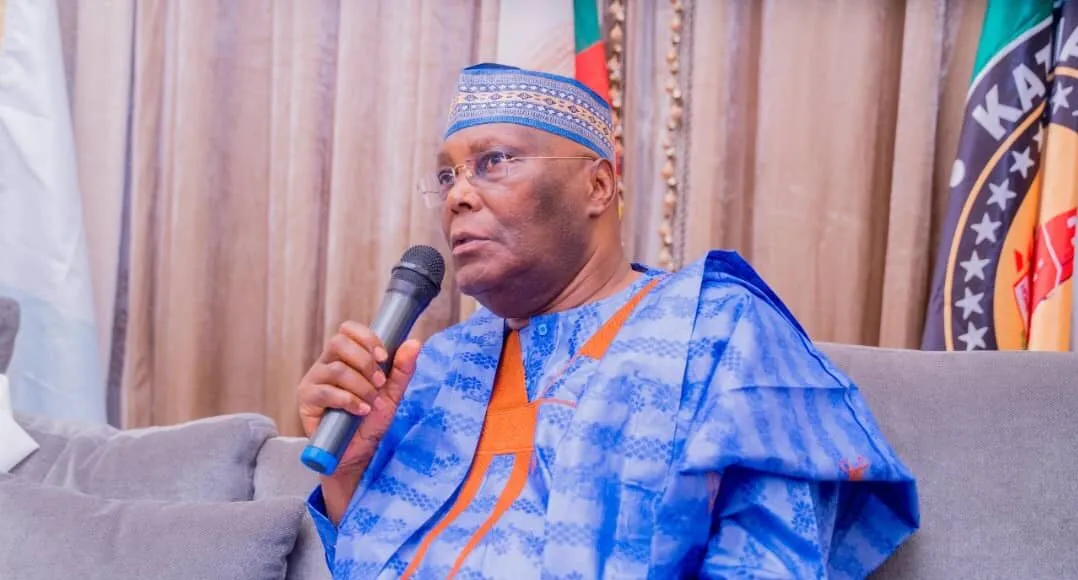
The African Democratic Congress (ADC) has defended the absence of its presidential candidate, Atiku Abubakar, from the signing of the National Peace Accord, saying the decision was a protest against what it described as the failure of the peace process to address electoral violence.
Abdullahi said the ADC’s decision not to participate in the signing ceremony was deliberate, arguing that politicians had repeatedly signed similar agreements in previous election cycles without seeing corresponding action when violations occurred.
“We’ve been signing this thing year in, year out, every election cycle; we sign in support of this commitment. Things still happen; people still get killed, harassed, like in the case of Osun, but we don’t hear the Peace Committee say anything. They don’t condemn the killings,” he said.
Abdullahi also referred to comments attributed to Osun Senator Francis Fadahunsi in the lead-up to the recent state governorship election, saying the committee had failed to respond adequately.
“When Senator Fadahunsi said that they should go out and kill people, we didn’t hear the Peace Committee say anything. So, what is the point? So, it’s our (ADC) way of saying no,” the ADC spokesman said.
He maintained that the party’s position was intended to compel the National Peace Committee, the group which organised the accord, to do more than organise ceremonial signing events.
According to him, political leaders should be held accountable for statements capable of encouraging violence, regardless of their political status.
“When the President said all is fair in politics, he set the narrative for the violence that followed in the Osun election. We didn’t hear the Peace Committee say, ‘No, Mr President, that is not a good thing to say.
“We are saying you need to do more. It’s not just to gather us for the ceremony of signing. If we commit to something, you have to be able to ask people to abide by it,” Abdullahi said.
Peace Accord
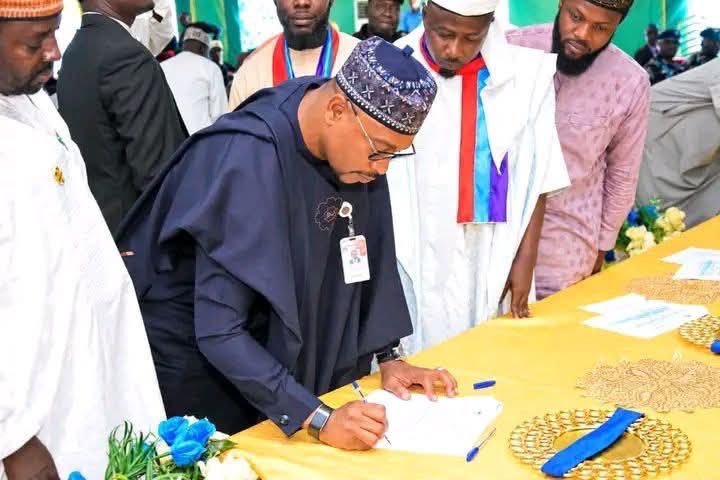
The National Peace Accord was signed on Tuesday by several presidential candidates, political leaders and others vying for elective positions ahead of the 2027 general elections.
The accord is intended to promote peaceful political engagement and issue-based campaigns before, during, and after the elections.
Former Anambra State governor and Nigeria Democratic Congress presidential candidate Peter Obi signed the agreement and called for credible and violence-free elections. He also urged Nigerians not to support candidates who violate the accord.
President Bola Tinubu and Atiku were, however, notably absent physically from the ceremony, unlike during the signing of the 2023 presidential election peace accord.
Secretary to the Government of the Federation, George Akume, represented Tinubu at the event and reaffirmed the Federal Government’s commitment to the accord.
Akume also rejected electoral violence, hate speech, misinformation and incitement on social media.
At the event, the Chairman of the Independent National Electoral Commission (INEC), Joash Amupitan, pledged the commission’s neutrality and commitment to conducting credible elections.
He urged political parties to make the 2027 campaign a “marketplace of ideas” focused on practical solutions rather than insults and conflict.
A member of the National Peace Committee and Bishop of Sokoto Diocese, Matthew Kukah, also urged politicians to ensure that elections translate into measurable improvements in the lives of Nigerians.
The first phase of the peace accord was signed a day before the commencement of campaigns for the 2027 presidential and National Assembly elections.
The absence of Atiku and Tinubu from the ceremony has since attracted criticism, with the African Action Congress presidential candidate, Omoyele Sowore, and the Social Democratic Party presidential candidate, Adewole Adebayo, arguing that Tinubu’s absence sent the wrong signal and suggested that the peace process was not being treated as a serious affair.