
 Readership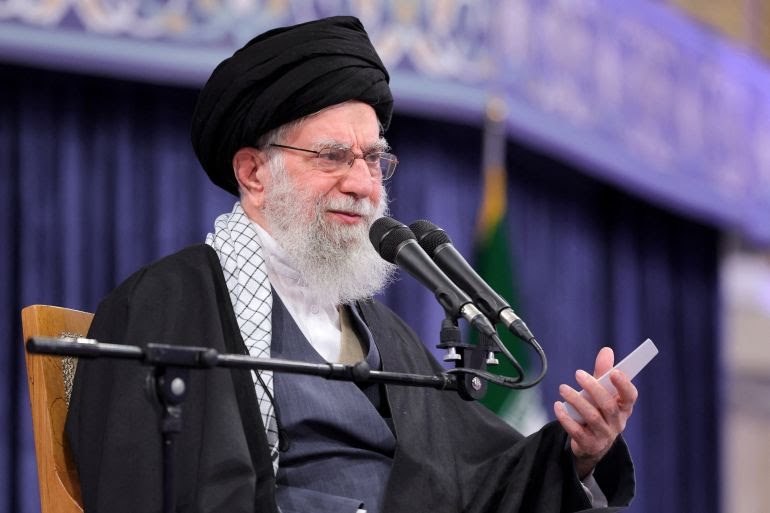
Iranian state media have confirmed that Supreme Leader Ali Khamenei was killed in joint United States and Israeli air strikes targeting Iran. Authorities announced a 40-day national mourning period following confirmation of his death.
According to Iranian state television, Khamenei was killed at his office during coordinated attacks that reportedly struck multiple locations across the country. The confirmation followed earlier claims by US and Israeli officials that the 86-year-old leader had been eliminated.
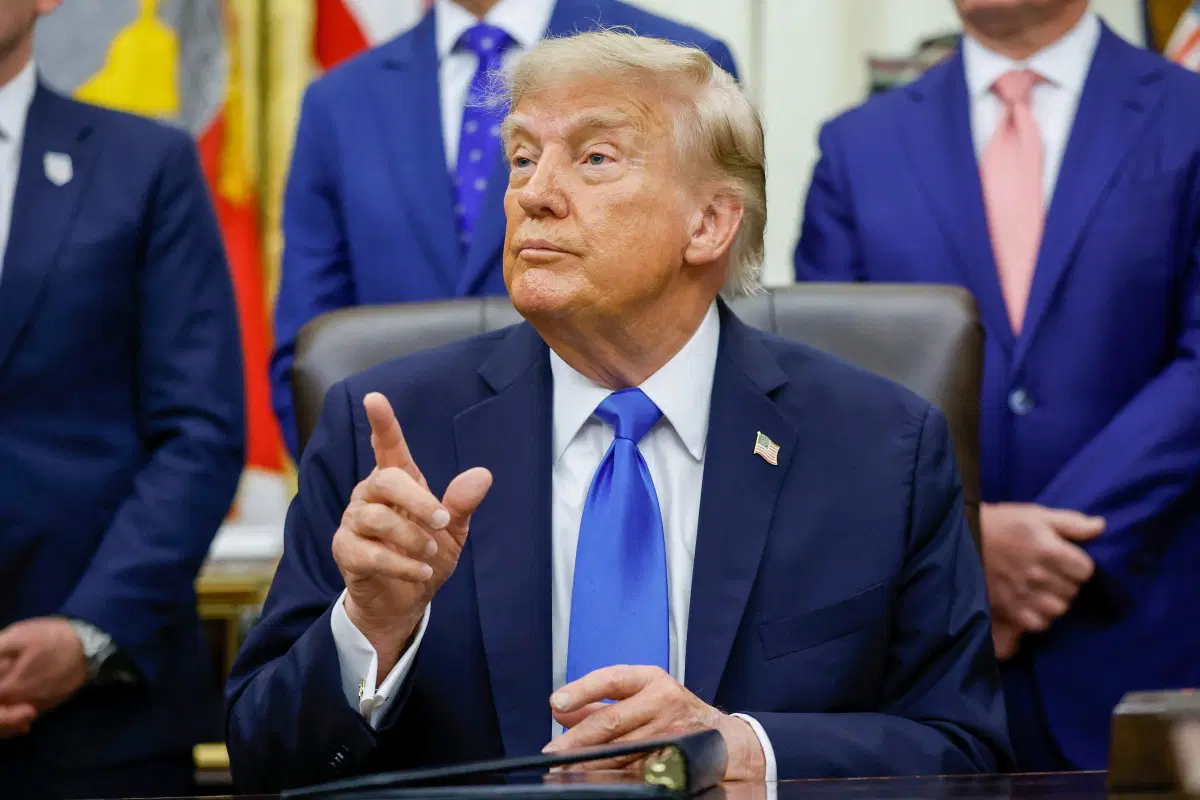
US President Donald Trump stated on his Truth Social platform that Khamenei was killed through what he described as highly sophisticated intelligence and tracking operations conducted in coordination with Israel. He suggested the development presented an opportunity for political change in Iran and called on elements of the Islamic Revolutionary Guard Corps (IRGC) and police to align with what he termed “Iranian patriots.”
Israeli Prime Minister Benjamin Netanyahu also indicated that there were “growing signs” confirming Khamenei’s death, adding that several senior Iranian military and nuclear programme officials had been eliminated in the wave of attacks.
The strikes reportedly targeted 24 Iranian provinces and resulted in at least 201 fatalities, according to Iranian media citing the Red Crescent. Among the most devastating incidents were attacks on two schools, including the Shajareh Tayyebeh girls’ elementary school in the southern city of Minab, where more than 100 people were reported killed.
Iran’s Islamic Revolutionary Guard Corps stated that retaliatory missile strikes against US and Israeli positions were underway. Air defence systems were reportedly activated in several Gulf states hosting US military assets, including Kuwait, Qatar, the United Arab Emirates and Bahrain.
Khamenei had served as Iran’s supreme leader since 1989, succeeding Ruhollah Khomeini, who led the 1979 Islamic Revolution. As supreme leader, he held ultimate authority over Iran’s armed forces, judiciary and executive branches, while also serving as the country’s highest religious authority.
At an emergency meeting of the UN Security Council, Secretary-General Antonio Guterres urged immediate de-escalation, warning that continued military action risked spiralling into uncontrollable regional conflict.
Iran’s ambassador to the United Nations condemned the strikes as an act of aggression and described them as war crimes. Meanwhile, the US ambassador defended the military action as lawful, reiterating Washington’s position that Iran must not acquire nuclear weapons.
China and Russia also expressed concern and condemnation at the Security Council session, calling for an immediate halt to hostilities.


![INEC Publishes Final List Of Presidential Candidates For 2027 Election [FULL LIST]](https://readership.ng/wp-content/uploads/2026/09/inec-headquarters.webp)