
 Readership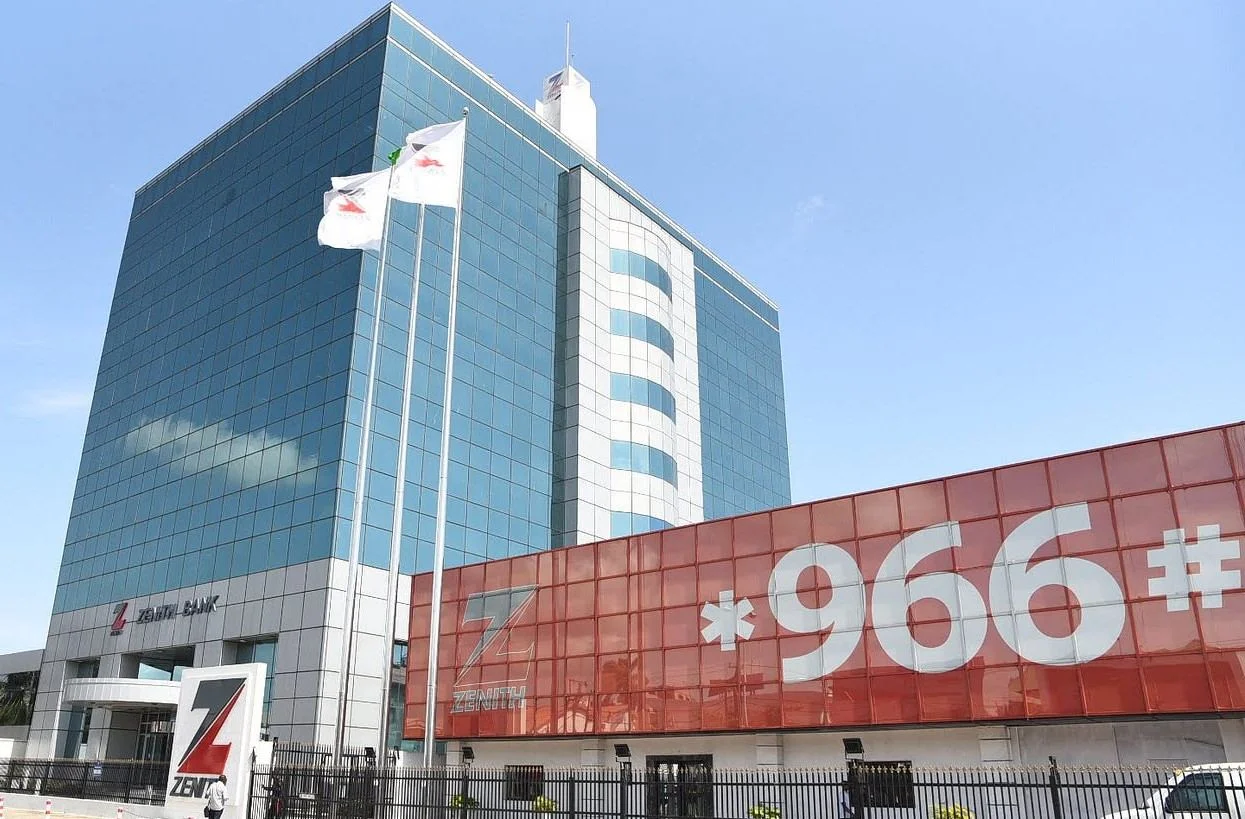
Zenith Bank Plc on Tuesday hosted the 10th edition of its International Trade Seminar on Non-Oil Export, with stakeholders highlighting the need for Nigeria to increase value addition and strengthen its position in the global market.
The virtual seminar, themed “Unlocking Value and Harnessing Growth,” brought together policymakers, regulators, exporters, manufacturers, investors and development partners from 97 countries to deliberate on strategies for boosting Nigeria’s non-oil export earnings.
Speaking at the event, the Group Managing Director/Chief Executive Officer of Zenith Bank, Dame (Dr.) Adaora Umeoji, OON, said Nigeria’s non-oil export sector had recorded significant growth since the bank launched the seminar in 2015.
Umeoji, who paid tribute to the bank’s founder, Dr. Jim Ovia, CFR, for initiating the programme, said Nigeria’s non-oil exports reached a record $6.1 billion in 2025.
According to her, the figure represented an 11.5 per cent increase from the $5.46 billion recorded in 2024 and a remarkable rise from the $612 million recorded a decade earlier.
She, however, said Nigeria must move beyond the export of raw materials and focus on processing and exporting finished products to retain more value within the country.
“As a nation, we must accelerate growth by creating more value locally and exporting finished products, rather than just raw materials,” she said.
Umeoji also disclosed that Zenith Bank, in partnership with the African Continental Free Trade Area (AfCFTA) Secretariat, had commenced the development of the SMARTAfCFTA portal and integrated it with the Pan-African Payment and Settlement System (PAPSS) to facilitate cross-border trade.
She said the initiative would make intra-African commerce easier and provide Nigerian businesses with improved access to markets across the continent.
The Minister of Industry, Trade and Investment, Dr. Jumoke Oduwole, MFR, in her keynote address, said the country should focus on retaining greater value from its exports rather than merely increasing export volumes.
Oduwole said Nigeria needed to produce more competitively, process more raw materials locally and connect Nigerian businesses to bigger markets.
“The question before us now is not simply how to export more, but how to retain more value in Nigeria from everything we export,” she said.
“Produce more competitively in Nigeria, process more in Nigeria, connect Nigerian businesses to bigger markets.”
The minister, who also chairs the AfCFTA Council of Ministers, said Nigeria’s position as an AfCFTA digital trade co-champion placed the country in a strategic position to help shape the development of Africa’s $3.4 trillion market.
Also speaking, the Chair of the Foundation for Economic Development in Africa (FEDA) and former President of Afreximbank, Prof. Benedict Oramah, GCON, said African countries must build stronger internal demand and improve their capacity to finance trade.
Oramah said Africa must develop its own markets, participate effectively in global supply chains and create stronger demand for locally produced goods.
The Founder of Plot Enterprise, Ghana, Mrs Patricia Poku-Diaby, said Africa’s economic future depended on its ability to transform raw materials into finished products and develop strong local brands.
She said: “The future of our economy will not be determined simply by what we grow or mine, but by what we transform. We must move from suppliers of raw materials to owners of strong African brands.”
Representing the United Kingdom, Ms Mujina Kaindama said African countries could unlock greater economic opportunities by moving further up the value chain through local processing and the development of branded products.
The Secretary-General of the AfCFTA Secretariat, H.E. Wamkele Mene, said the success of the continental free trade agreement would be measured by the extent to which the private sector leveraged it to access new markets and create jobs.
“The private sector is at the heart of the fundamental restructuring of Africa’s economy that all of us want to see,” Mene said.
The seminar featured public and private sector panel sessions involving key stakeholders in the trade and export ecosystem.
The public sector panel included representatives of the Nigerian Export-Import Bank, Nigeria Customs Service, Nigerian Ports Authority, Central Bank of Nigeria and Nigerian Export Promotion Council.
They discussed measures to improve trade facilitation, logistics, funding and other support systems for exporters.
The private sector panel featured representatives of Dangote Group, Starlink Global, Psaltry International, Lelook Nigeria and other businesses, with discussions focusing on trade barriers, product certification, market intelligence and access to financing.
Launched in 2015, the Zenith Bank International Trade Seminar has become a platform for dialogue among government, businesses and other stakeholders on Nigeria’s non-oil export potential.
The 10th edition was streamed live on Zoom, YouTube, Instagram, Facebook, X and TikTok, attracting thousands of participants globally.
The seminar ended with renewed calls for stronger public-private collaboration and increased access to financing, partnerships and markets to enable Nigerian businesses compete more effectively in regional and global markets.