
 Readership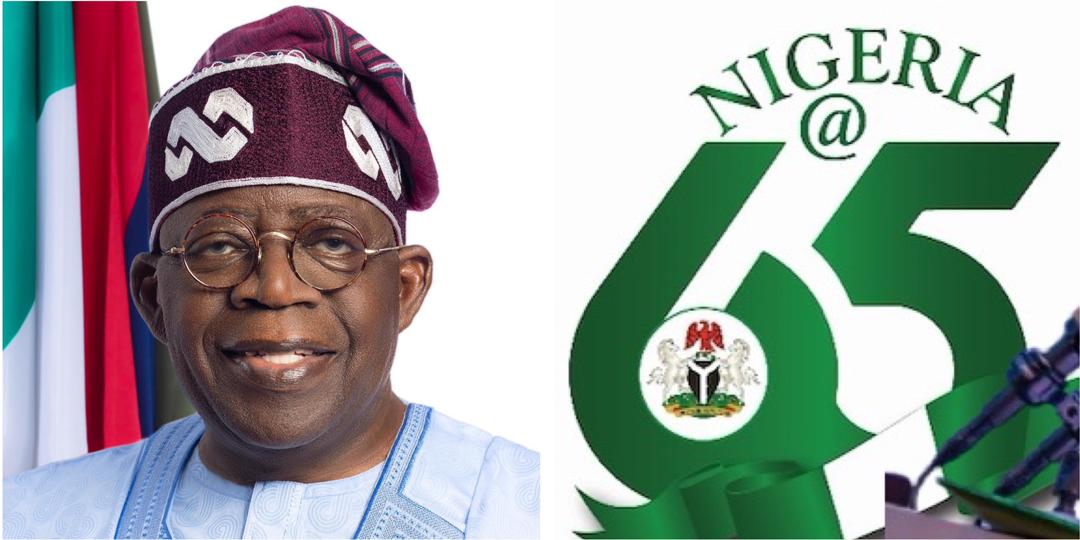
The Federal Government has announced that Nigeria’s 65th Independence Day anniversary will be celebrated in a low-key manner, in line with its commitment to reduce the cost of governance while preserving the symbolic importance of the occasion, READERSHIP NG reports.
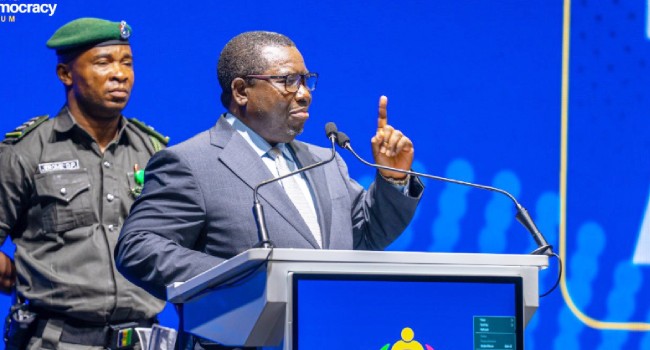
The Minister of Information and National Orientation, Mohammed Idris, disclosed this during the Pre-Independence World Press Conference held on Monday in Abuja. He said this year’s celebration, themed “All Hands on Deck”, reflects the government’s call for unity, collaboration, and shared responsibility among Nigerians in the face of present economic and social challenges.
The commemoration began with Jummat prayers on Friday, September 26, followed by a thanksgiving service on Sunday, September 28, both of which were aimed at invoking divine blessings for peace, stability, and prosperity in the country.
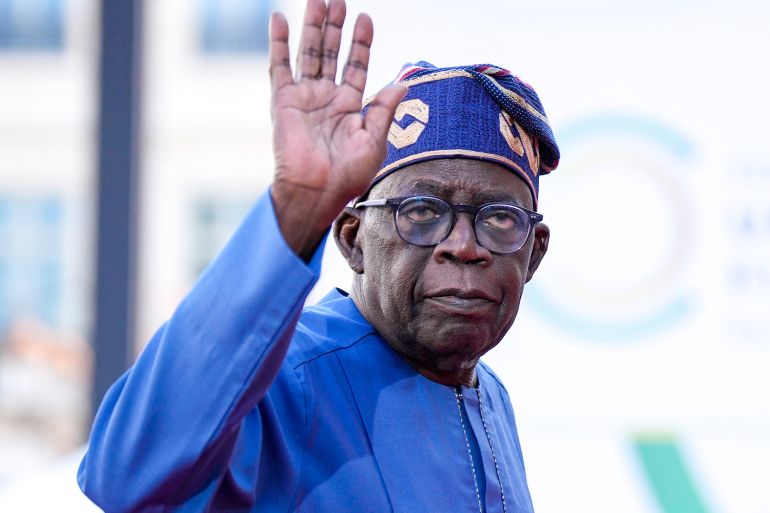
Unlike in previous years, the 65th Independence Day will not feature elaborate parades and fanfare. Instead, a few symbolic activities will take place, including the unveiling of the National Value Charter by the National Orientation Agency (NOA), a national broadcast by President Bola Tinubu, and minimal ceremonial events at the Presidential Villa attended by top officials and invited dignitaries.
Idris emphasized that the decision to scale down the celebrations was guided by financial and symbolic considerations. He explained that the administration is determined to demonstrate fiscal prudence at a time of economic reforms, subsidy removal, and efforts to stabilize the national currency.
“Activities will be low-key. We are conscious of the economic situation and the need to prudently manage our resources while still celebrating the progress of our country,” Idris stated. He further noted that Independence Day should serve as a moment of sober reflection, offering Nigerians the chance to look back on the nation’s journey since 1960 while embracing the sacrifices necessary for future growth.
A major highlight of the commemoration will be the unveiling of the National Value Charter, designed to institutionalize a framework of national ethics and shared values in line with the Renewed Hope Agenda of President Tinubu’s administration. The charter seeks to promote discipline, honesty, hard work, and civic responsibility, with the aim of restoring trust between government and citizens.
Observers have drawn parallels between the initiative and past national reorientation drives such as the War Against Indiscipline (WAI) under the Buhari regime in the 1980s and the Rebranding Nigeria campaign under the late Dora Akunyili. However, the government maintains that the charter will be more comprehensive and enduring.
Nigeria’s 65th Independence anniversary comes at a time of economic uncertainty, rising cost of living, and public debates over government policy choices. While some citizens have welcomed the modest tone of this year’s commemoration as a show of empathy for current hardships, others insist that symbolic celebrations remain necessary to lift morale and strengthen unity. Civil society groups have also urged the government to use the President’s broadcast as an opportunity to present a clear progress report and outline realistic roadmaps for recovery.
As the nation marks this milestone, the government’s emphasis on values, unity, and prudent spending reflects an attempt to balance tradition with current realities. For many Nigerians, Independence Day 2025 may be less about the pomp of parades and more about reflecting on the country’s challenges, opportunities, and the collective responsibility of building a more prosperous future.